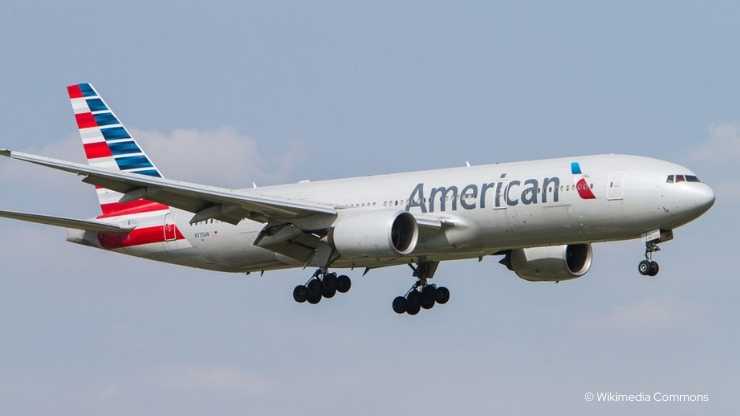
Skiplagged, an airline-booking platform that proudly touts its ability to unearth flights concealed from mainstream view, has found itself entangled in a legal skirmish with American Airlines.
In a meticulous 37-page lawsuit submitted to the U.S. District Court for Northern Texas, American Airlines asserts that Skiplagged employs deceptive tactics to mislead travelers. The airline contends that while Skiplagged promotes the allure of uncovering hidden airfare pricing strategies, it sometimes cunningly charges passengers more than what they would pay if they booked directly through the airline.
The heart of the matter revolves around a technique known by various monikers: skiplagging, hidden-city ticketing, or point-beyond ticketing. This strategy encompasses booking a flight with a layover but intentionally disembarking at the layover destination instead of proceeding to the final endpoint. This maneuver takes advantage of the fact that connecting flights often come at a reduced cost compared to nonstop routes, enabling airlines to channel more passengers through their hub cities, thereby optimizing their operations.
Since its inception in 2013, Skiplagged has offered customers the ability to reserve flights from Point A to Point C, with the full knowledge that their intended termination point is the connecting city (Point B). This unconventional approach has earned the platform both praise and controversy.
Aktarer Zaman, CEO of Skiplagged, asserts that the enduring loyalty of their expansive user base speaks volumes about the value they contribute to the travel sector. He rebuts American Airlines’ allegations, highlighting the discrepancy between the airline’s claims and the platform’s demonstrated significance.
The legal battle has escalated with airlines demonstrating their unyielding stance against skiplagging. Notably, American Airlines barred a North Carolina teenager from boarding its flights for three years after uncovering his skiplagging intentions. Clint Henderson, a respected voice in the airline industry, contends that this move underscores the industry’s seriousness in curbing such practices. Airlines have been known to revoke frequent-flyer privileges and memberships, and in rare instances, even resort to litigation against passengers.
The lawsuit filed by American Airlines asserts that Skiplagged’s practices run afoul of its terms of service, warranting the threat of ticket cancellations. The suit alleges that Skiplagged is acutely aware of the vulnerability of its issued tickets and deliberately conceals its activities to avoid detection. Moreover, the platform allegedly guides its customers in evading airline scrutiny, providing scripted instructions on avoiding detection. Strategies like wearing backpacks to avoid gate-checking larger luggage items are purportedly recommended to ensure baggage ends up at the intended layover city rather than the final stop.
American Airlines contends that Skiplagged misrepresents the cost disparity between its flights and those offered by the airline itself. An advertisement for a $441 round-trip flight from Ontario, California, to Reno, Nevada, via Phoenix, for instance, was positioned as a $14 cheaper alternative to American’s $455 offer. However, the airline claims that Skiplagged’s fees ultimately inflate the cost to $459.
The lawsuit further suggests that Skiplagged openly encourages travelers to flout airline rules and even provides tailored advice on avoiding detection. The platform’s purported encouragement of dishonesty to airlines has stirred a debate over ethical considerations.
Skiplagged’s website reportedly issues warnings about airlines’ potential reactions to this unconventional approach, suggesting that airlines are displeased when passengers intentionally miss flights to secure financial benefits. This cautionary note paints a clear picture of the inherent tension between the airline industry and passengers adopting this strategy.
The history of legal tussles between airlines and Skiplagged dates back to 2014, when United Airlines filed a lawsuit accusing Zaman of disrupting its operations and endorsing restricted travel practices. Although the case was dismissed for jurisdictional reasons, it underscored the airlines’ vigilance. In 2021, Southwest joined the ranks, alleging that Skiplagged induced passengers to violate its terms of service. The legal proceedings ended in an undisclosed settlement following a judge’s dismissal of the case in June.
As the legal intricacies continue to unravel, the clash between Skiplagged and major airlines provides a riveting insight into the complexities of modern travel practices and the legal challenges they bring forth.